


Why Does Your Neck Feel Stiff After Sleeping During a Flight?
Long flights can be exciting, but they don't always leave you feeling refreshed. Many travelers wake up after sleeping on a plane with a stiff neck, sore shoulders, or general discomfort. Even a short nap during a flight can sometimes leave you feeling less rested than before.
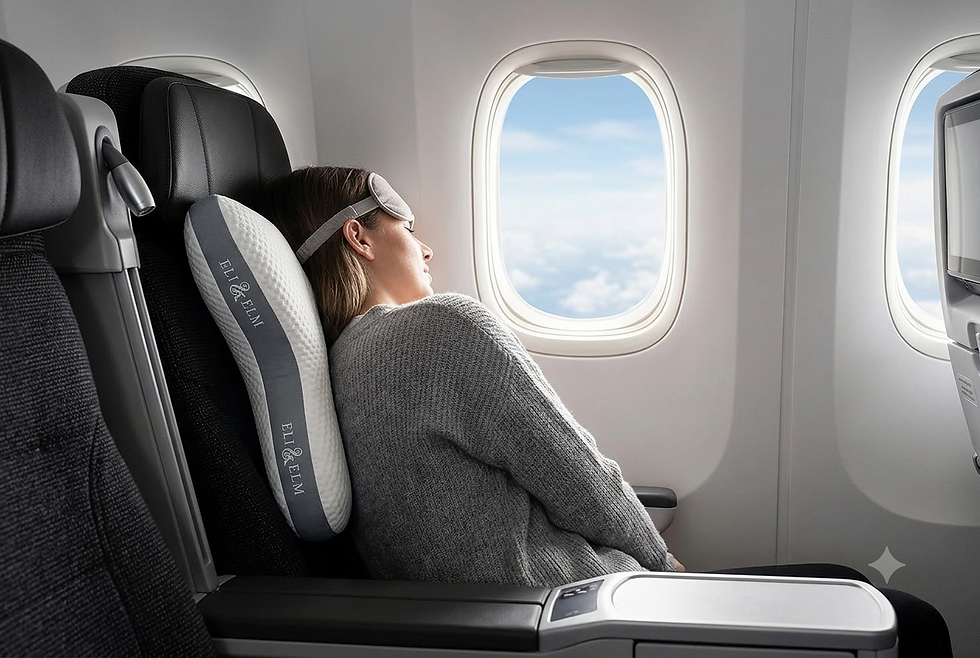
If you've experienced temporary neck stiffness after air travel, you're not alone. Sitting upright for several hours, limited space, and a lack of proper support can all make it difficult to maintain a comfortable sleeping position. Side sleepers often notice this even more because their preferred sleeping position is harder to recreate on an airplane.
The good news is that a few simple adjustments can make your next journey much more comfortable.
Why Does Neck Stiffness Happen During a Flight?
Unlike your bed at home, an airplane seat is designed for sitting rather than sleeping. Even on long-haul flights, there is limited room to change positions or fully relax your body.

As you fall asleep, your head may gradually tilt forward or lean to one side. Without adequate support, your neck muscles continue working to stabilize your head. Remaining in this position for an extended period may contribute to temporary stiffness once you wake up.
The longer you remain seated without changing posture, the more likely you are to notice muscle tightness by the time your flight ends.
Common Reasons Travelers Wake Up With Neck Discomfort
Several everyday travel habits can contribute to temporary neck discomfort during a journey.
Limited Neck Support
Most airplane seats provide only basic head support, which may not be enough for people who sleep on their side.
Sleeping While Sitting Upright
Resting in an upright position changes the natural alignment of your head and neck compared with sleeping in bed.
Staying in One Position
Remaining seated without moving for several hours can increase muscle tightness and reduce overall comfort.
Leaning Against Hard Surfaces
Sleeping against a window or armrest may place additional pressure on your neck and shoulders, making it harder to stay comfortable.
Carrying Heavy Bags
Carrying luggage on one shoulder for long periods before or after your flight may also contribute to temporary muscle fatigue.
Signs Your Travel Setup May Need Improvement
If you regularly experience any of the following after a flight, it may be time to rethink your travel routine.
Temporary neck stiffness after landing
Shoulder discomfort during or after the journey
Difficulty finding a comfortable sleeping position
Waking up feeling tired despite getting some rest
Frequently changing positions while trying to sleep
Recognizing these signs early allows you to make practical changes before your next trip.
Simple Ways to Stay Comfortable While Flying
Fortunately, improving travel comfort doesn't require major changes.
Change Your Position Occasionally
Whenever possible, adjust your posture instead of remaining in the same position throughout the flight.
Stay Hydrated
Drinking enough water can help you feel more comfortable during long journeys.
Stretch During Layovers
Gentle neck and shoulder stretches while waiting for your next flight or during walking breaks may help reduce muscle tightness.
Choose a Comfortable Seat
If available, a window seat may provide additional support and reduce interruptions while resting.
Pack Smart
Using lightweight luggage and distributing weight evenly can help reduce unnecessary strain on your shoulders before and after your flight.
Choosing Supportive Travel Accessories
Comfort during travel often comes down to preparation. Comfortable clothing, proper hydration, and supportive travel accessories can all contribute to a better travel experience.

If you usually sleep on your side, selecting accessories that match your preferred sleeping position may help you stay more comfortable throughout the journey.
One option designed specifically for side sleepers is the Eli & Elm Side Sleeper Travel Pillow. Its ergonomic design focuses on providing better head and neck support while remaining lightweight and easy to carry for flights, road trips, and train travel.
Final Thoughts
Waking up with a stiff neck after a flight is a common experience, especially during longer journeys. While you can't change the design of an airplane seat, you can improve your travel comfort by making a few simple adjustments. Maintaining better posture, taking short stretching breaks, staying hydrated, and choosing supportive travel accessories can all help make long trips more comfortable.
If you're a side sleeper, paying attention to proper neck support before your journey begins may help you arrive feeling more refreshed and ready to enjoy your destination.


Comments