


The Truth About Snoring: How the Right Pillow Can Improve Sleep Comfort
Have You Ever Woken Up Feeling More Tired Than When You Went to Bed?
You slept for seven or eight hours. Your alarm went off on time. Yet instead of feeling refreshed, you woke up with a stiff neck, low energy, and the feeling that you barely slept at all.
For many people, this becomes a daily routine.
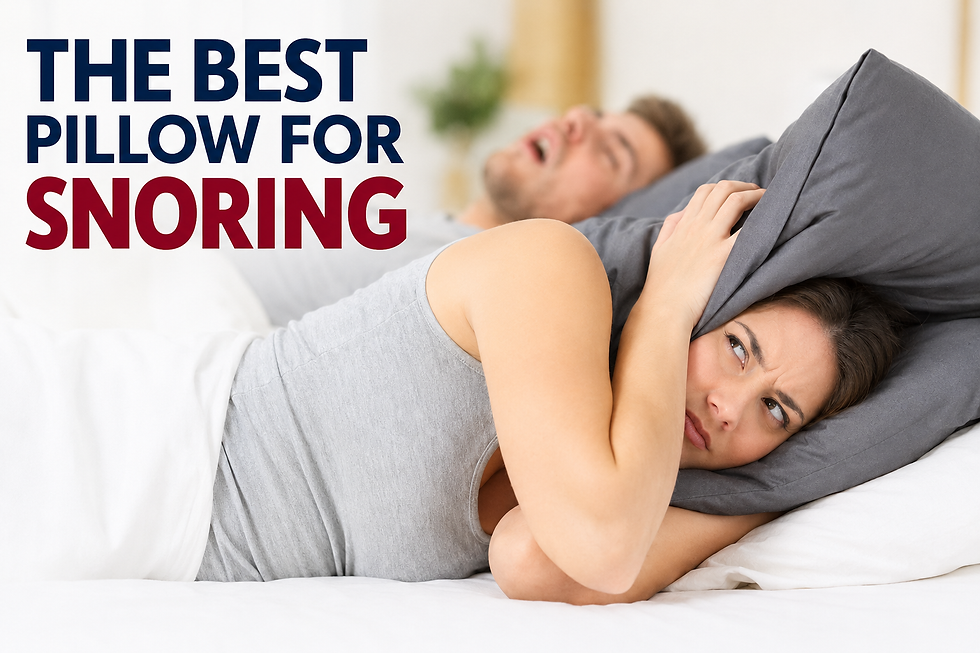
If snoring is part of your nights—whether it's your own or your partner's—it can quietly affect sleep quality for everyone in the room. While snoring has many possible causes, one factor that often gets ignored is the support your head and neck receive throughout the night.
Before investing in expensive mattresses or trendy sleep gadgets, it may be worth looking at something much simpler: your pillow.
Snoring Is More Than Just An Annoying Sound
Most people think snoring is only a problem because it's loud.
In reality, it can interrupt sleep, reduce comfort, and leave both partners feeling exhausted the next morning.
Poor-quality sleep doesn't just make you feel tired. It can affect concentration, mood, productivity, and even how energetic you feel throughout the day.
That's why improving your sleep environment is just as important as reducing the noise itself.
Your Sleeping Position Can Make A Difference
Have you ever noticed that snoring often becomes worse when someone sleeps on their back?
For many individuals, sleeping on the side encourages a more comfortable sleeping posture. Maintaining that position throughout the night often depends on having the right level of pillow support.
A pillow that properly supports the head and neck makes it easier to stay comfortable without constantly adjusting your sleeping position.
Why Your Pillow Matters More Than You Think
Walk into any bedding store and you'll find shelves filled with pillows.
Memory foam.
Latex.
Cooling pillows.
Adjustable pillows.
Firm pillows.
Soft pillows.
The truth is, no single pillow is perfect for everyone.
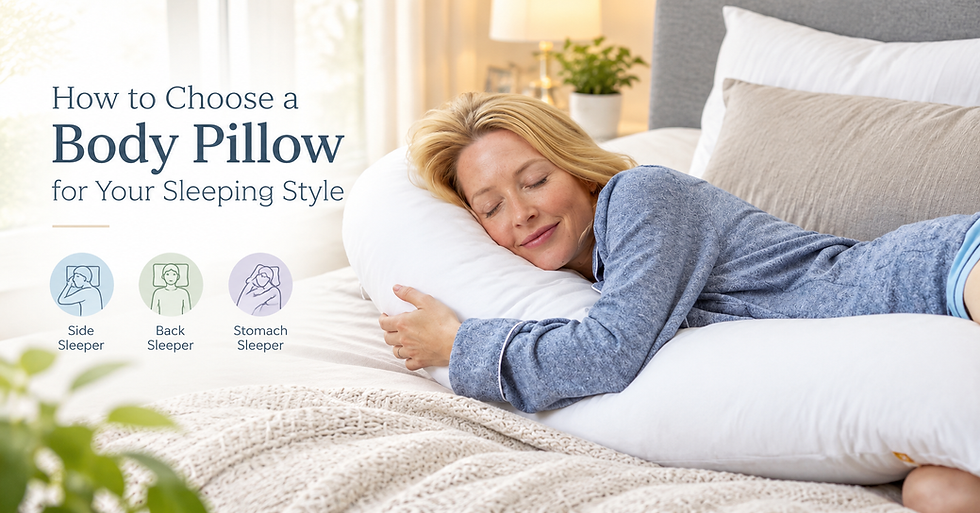
The best pillow is the one that matches your preferred sleeping position while providing consistent support for your neck and shoulders.
Side sleepers, in particular, usually need more support than stomach sleepers because there's a larger gap between the head and the mattress.
Better Support Often Leads To Better Sleep
Many people focus only on reducing snoring.
Comfort deserves just as much attention.
A supportive pillow helps reduce the need to constantly reposition during the night. It also encourages a more natural sleeping posture, which many people find more relaxing.
While a pillow isn't a medical treatment for snoring, choosing one designed for your sleeping style can contribute to a more comfortable night's rest.
What Should You Look For In A Pillow?
Shopping for a pillow doesn't have to be confusing.
Instead of focusing only on brand names, consider these practical features:
Proper neck and shoulder support
Breathable materials that help improve airflow
Adjustable height for personalized comfort
Durable construction
Easy maintenance and long-lasting quality
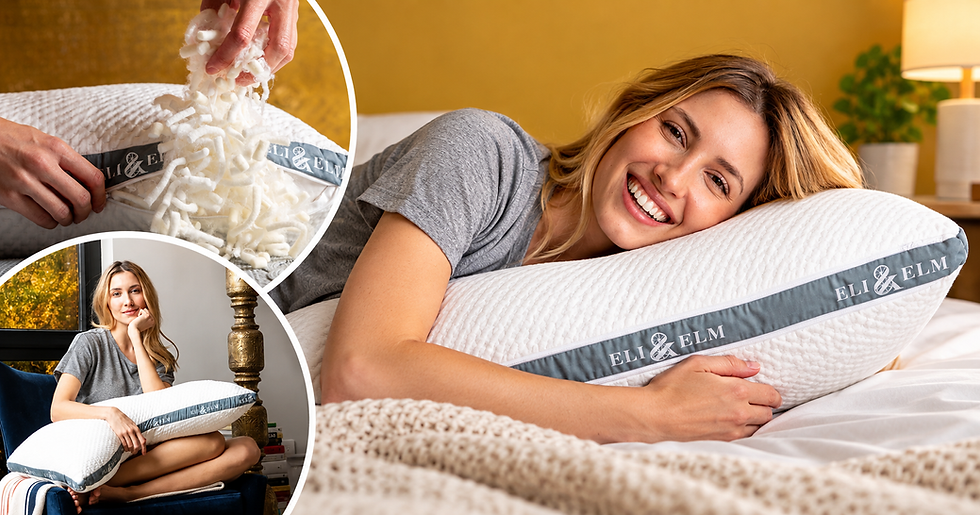
If you're comparing different options, this guide on choosing the best pillow for snoring explains the features worth considering before making a decision.
Small Bedroom Changes Can Improve Sleep
Your pillow is only one part of a comfortable sleep environment.
Small habits often make a surprisingly big difference.
Try keeping your bedroom cool, limiting screen time before bed, washing your bedding regularly, and following a consistent sleep schedule.
Together, these habits create an environment that's more relaxing and supportive of quality sleep.
Better Sleep Is Built One Habit At A Time
There isn't one product that instantly fixes poor sleep.
Instead, better rest usually comes from several small improvements working together.
Choosing bedding that feels comfortable.
Maintaining good sleep habits.
Keeping your bedroom organized.
Replacing worn-out pillows when needed.
These simple changes may seem small, but over time they can noticeably improve how you feel each morning.
Frequently Asked Questions
Can a pillow completely stop snoring?
No. Snoring has many possible causes. A supportive pillow may help improve sleeping posture and comfort, but it isn't a cure or medical treatment.
Which sleeping position is generally better for people who snore?
Many people find that side sleeping is more comfortable and may help reduce snoring compared to sleeping flat on the back.
How often should a pillow be replaced?
Most quality pillows should be replaced every one to two years, depending on the materials used and how frequently they're used.
Are cooling pillows better for hot sleepers?
Cooling pillows and breathable materials can help reduce heat buildup, making sleep more comfortable for people who tend to sleep warm.
Final Thoughts
Better sleep rarely comes from one expensive purchase.
Instead, it's the result of thoughtful choices that work together every night.
A supportive pillow, comfortable bedding, healthy sleep habits, and a relaxing bedroom environment all contribute to a better night's rest.
If snoring is making your nights less comfortable, start with the basics. Evaluating your pillow and sleeping posture is a simple first step that may help you create a more restful and refreshing sleep experience.

Comments