


What Should Side Sleepers Look for in a Pillow?
Finding a comfortable pillow can be surprisingly personal. A pillow that feels perfect for one person may feel too firm, too soft, or too high for someone else. This is especially true for people who spend most of the night sleeping on their side.
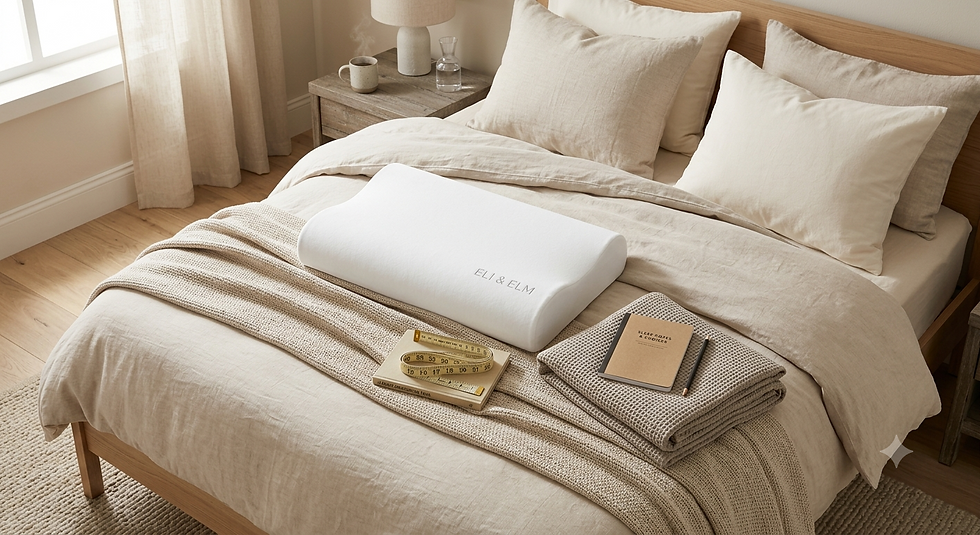
Side sleeping changes the way the head, shoulder, and mattress interact. Instead of choosing a pillow based only on its appearance or softness, it can be helpful to compare features such as loft, support, materials, and adjustability.
Start With Your Sleeping Position
Your sleeping position is one of the simplest ways to narrow down your pillow choices.
Side sleepers generally place more of their weight around the shoulder and side of the body. This creates a different relationship between the head and mattress than back or stomach sleeping.
That doesn't mean every side sleeper needs exactly the same pillow. Shoulder width, mattress firmness, body proportions, and individual preferences can all affect what feels comfortable.
If you're researching the best pillow for a side sleeper, start by looking at the pillow's overall design rather than focusing on a single feature.
Pillow Loft Can Make a Difference
Loft refers to the height or thickness of a pillow.
A low-loft pillow and a high-loft pillow can create very different experiences for a side sleeper. Some people prefer more height, while others feel more comfortable with a lower profile.
Your mattress also matters. A softer mattress may allow your body to sink farther into the surface, while a firmer mattress can create a different starting position.
Because of this, pillow height shouldn't be considered separately from your entire sleep setup.
Look Beyond Softness
A pillow can feel soft when you first touch it, but softness isn't the only factor that determines whether you'll enjoy using it every night.
When comparing pillows, consider:
Support
Loft
Materials
Adjustability
Breathability
Shape retention
Construction
Different materials respond differently to pressure. Some provide a more responsive feel, while others compress more easily.
Understanding these differences can help you compare pillows more realistically.
Consider Your Shoulder and Mattress
Side sleepers should also consider the relationship between their shoulder and mattress.
A wider shoulder can create more space between the head and sleeping surface. However, the amount of space also depends on mattress firmness and how deeply the body settles into the bed.
This is why copying another person's pillow setup doesn't always work.
Instead, pay attention to your own sleeping experience. If you regularly adjust, fold, or reposition your pillow, those habits can provide useful clues about what you prefer.
Is an Adjustable Pillow Worth Considering?
Adjustability can be useful for people who aren't sure which loft feels best.
Instead of being limited to one fixed configuration, an adjustable design may allow you to experiment with the amount of fill or overall feel.
This can be particularly useful if your preferences change over time or if you switch between sleeping positions.
However, adjustability isn't essential for everyone. The best choice depends on your personal preferences and how much flexibility you want.
Think About Temperature Too
Comfort isn't only about support.
Some sleepers naturally feel warmer at night and may prefer bedding and pillows that promote airflow. Pillow materials and construction can influence how warm or cool a pillow feels during regular use.
If temperature is important to you, compare the materials and construction instead of assuming that every pillow will feel the same.
Everyday Pillow vs Position-Specific Pillow
Some people want a pillow designed primarily around their favorite sleeping position. Others want something versatile enough for different situations.
If you frequently move between side and back sleeping, you may prefer an option that doesn't feel limited to one position.
An everyday memory foam pillow can be another option to compare when you're looking for a versatile pillow. Consider its construction, responsiveness, and overall feel against your normal sleeping habits.
Simple Buying Checklist
Before choosing a pillow, ask:
What position do I sleep in most often?
Do I prefer a higher or lower loft?
What type of mattress do I have?
Do I change positions during the night?
Is adjustability important?
Do I tend to sleep warm?
What materials do I prefer?
These questions can make the selection process much easier.
Expert Insight
Pillow comfort is highly individual. Sleeping position provides a useful starting point, but factors such as mattress firmness, shoulder width, materials, loft, and personal preference can change how a pillow feels. Comparing several of these factors together is more useful than selecting a pillow based on one feature alone.
Final Thoughts
Choosing a pillow for side sleeping doesn't have to be complicated. Start by understanding how you sleep and then compare loft, support, materials, adjustability, and breathability.
Instead of looking for a universally perfect pillow, focus on finding an option whose characteristics match your own sleeping habits.


Comments