


Best Everyday Pillows for Daily Sleep Comfort
A pillow is one of the most frequently used items in a bedroom. Unlike occasional bedding accessories, an everyday pillow supports your regular sleep routine night after night. It may also be used while reading, relaxing, watching television, or resting after a long day.

Because pillows are used so often, choosing one should involve more than appearance or price. The right option should match your comfort preferences, provide suitable support, and remain practical for regular use.
If you are searching for the best everyday pillows, this guide explains the key features to consider before making a decision.
Why Everyday Pillow Choice Matters
Daily comfort is influenced by several small factors, including mattress firmness, sleeping position, room temperature, and pillow design. A pillow that feels comfortable in a showroom or for a few minutes may not necessarily suit several hours of nightly use.
An everyday pillow should ideally offer:
Consistent comfort throughout the night
Appropriate support for the head and neck
A suitable height for your sleeping style
Materials that match your preferred feel
Reliable shape retention
Easy care and maintenance
A construction suitable for frequent use
The best choice will vary from person to person. Instead of looking for a universal pillow, consider how the pillow fits into your own routine.
Best Everyday Pillows for a Consistent Nightly Routine
A pillow used every night should provide a predictable feel. If the pillow becomes flat, uneven, or lumpy after a short period, you may need to adjust it repeatedly to find a comfortable position.
Consistency is especially important for people who follow a regular sleep schedule. A pillow with stable construction can offer a more familiar feel each night, helping you avoid frequent changes in position caused by an uncomfortable pillow.
When comparing options, pay attention to the filling, internal structure, cover, and overall construction. These details can influence how the pillow feels and how well it performs over time.
What to Look for in a Pillow Used Every Day
1. Suitable Support
Support is one of the most important considerations when choosing an everyday pillow. A pillow should comfortably support the head without feeling excessively hard or unstable.
The required level of support depends on your sleeping position and personal preference. Side sleepers may prefer a pillow with more structure, while some back sleepers may feel more comfortable with a medium-support design.
The key is to find a pillow that feels supportive without creating unnecessary pressure.
2. Comfortable Height
Pillow height, often called loft, refers to the thickness of the pillow when it is being used. The ideal height can depend on your shoulder width, mattress firmness, and sleeping position.
A pillow that is too low may not feel supportive enough. A pillow that is too high may feel awkward or force the head into an uncomfortable angle.
Before buying, consider whether the pillow’s height is suitable for the way you normally sleep. If you change positions frequently, look for a design that offers a balanced and versatile feel.
3. Appropriate Firmness
Firmness and support are related, but they are not the same. A soft pillow can still provide useful support, while a very firm pillow may not be comfortable for every sleeper.
Your preferred firmness may also depend on how you use the pillow. Someone who enjoys a structured pillow may prefer memory foam, while another person may prefer a softer, more flexible filling.
Choose a firmness level that feels comfortable for extended use rather than judging it only by how it feels when you first touch it.
How Pillow Materials Affect Daily Comfort
The material inside a pillow plays a major role in its feel, support, and durability. Different materials suit different preferences.
Memory Foam
Memory foam pillows generally offer a more structured and supportive feel. They respond to pressure and can provide consistent support compared with fillings that require frequent fluffing.
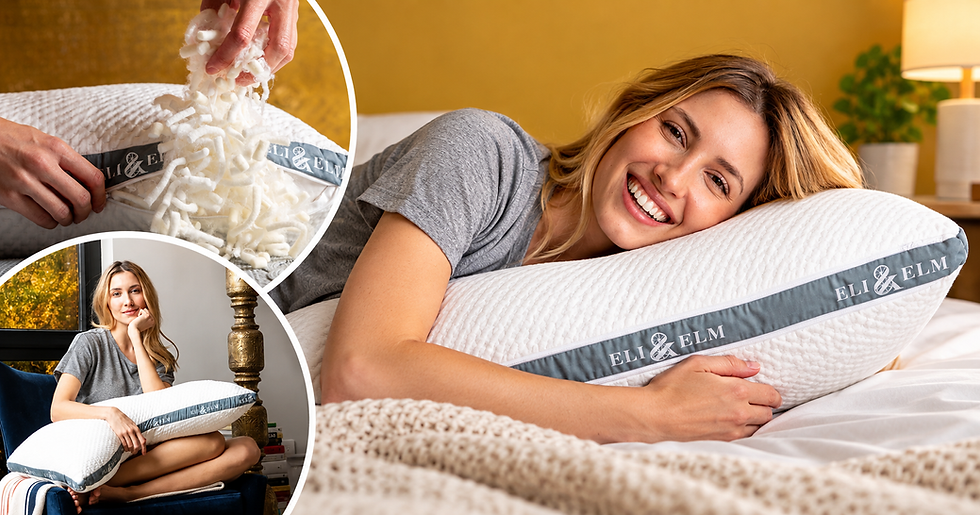
For people who prefer a stable pillow for regular sleep, a memory foam design may be worth considering. You can explore the Eli & Elm best everyday pillow to learn more about a memory foam option for everyday use.
Fiber Filling
Fiber-filled pillows are often lightweight and flexible. Some can be fluffed or reshaped, which may appeal to sleepers who prefer a softer feel.
However, the performance of a fiber-filled pillow depends on the quality of the filling and its construction. Some may lose volume or become uneven with frequent use.
Latex
Latex pillows may provide a responsive feel and can retain their shape well. They are often considered by people who want a combination of resilience and support.
As with other materials, the final comfort depends not only on the filling but also on the pillow’s shape, height, cover, and firmness.
Choosing a Pillow for Reading and Relaxing
An everyday pillow may be used for more than sleeping. Many people use pillows while reading in bed, watching television, working on a laptop, or relaxing during the evening.
For these activities, comfort may depend on how well the pillow supports the head and upper body without requiring constant repositioning. However, a pillow designed for sleeping should not automatically be treated as a substitute for a dedicated reading cushion or backrest.
If you regularly use pillows while resting, consider whether the shape and firmness suit both your sleeping and relaxation habits.
Everyday Pillow Care and Maintenance
Regular maintenance can help keep a pillow cleaner and extend its usable life. Care requirements vary according to the material and manufacturer’s instructions.
Follow these practical habits:
Use a breathable pillowcase.
Wash the pillowcase regularly.
Use a removable, washable pillow cover when available.
Follow the manufacturer’s cleaning instructions.
Avoid exposing the pillow to excessive moisture.
Allow the pillow to air out when recommended.
Do not use harsh cleaning methods unless the care label permits them.
Memory foam pillows, in particular, may require specific cleaning methods. The inner foam should generally be cared for according to the manufacturer’s instructions rather than treated like a standard washable fiber pillow.
When Should You Replace Your Everyday Pillow?
Even a well-made pillow will not last forever. Over time, materials can lose their original feel, and the pillow may no longer provide the comfort it once did.
Consider replacing your pillow if:
It remains flat or uneven after adjustment.
The filling has developed permanent lumps.
The pillow no longer feels supportive.
The cover or interior shows significant wear.
You frequently fold or reposition it to feel comfortable.
The pillow has an unpleasant odor that does not improve with proper care.
It no longer suits your sleeping position or preferences.
There is no universal replacement schedule that applies to every pillow. Material quality, frequency of use, maintenance, and construction all influence how long a pillow remains suitable.
Review Your Sleeping Habits Along With Your Pillow
Your pillow is only one part of your overall sleep-comfort setup. Daytime habits can also influence how your neck, shoulders, and upper body feel when you go to bed.
For example, spending long periods looking down at a phone, using a poorly positioned monitor, or sitting without adequate support may affect your general comfort. These habits do not automatically mean that your pillow is unsuitable, but they are worth reviewing.
You can learn more by reading How Daily Posture Habits Can Influence Your Sleep Comfort.
If you sleep on your side, it is also useful to evaluate whether your pillow provides the right level of support. Read Side Sleeper Pillow: Neck and Shoulder Comfort for additional information.
A Simple Checklist Before Buying
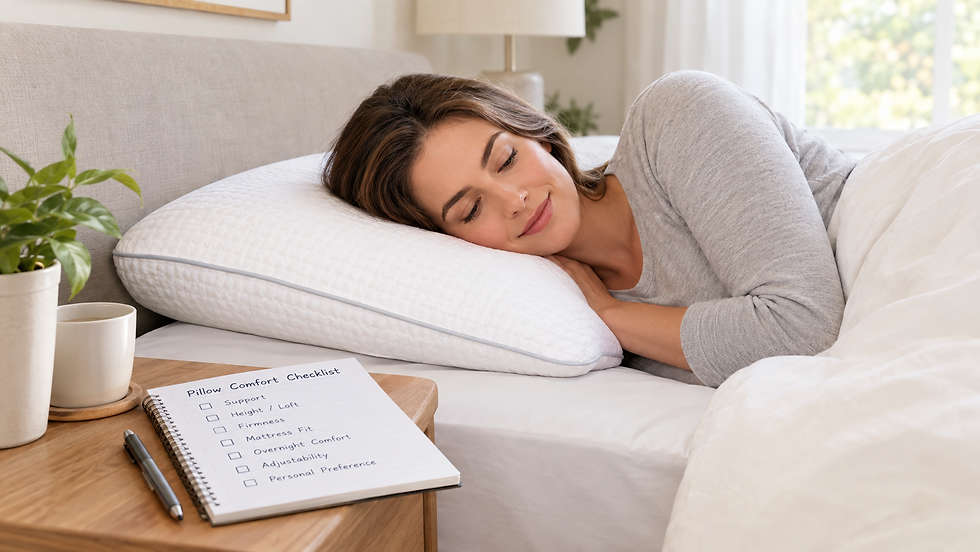
Before selecting an everyday pillow, ask yourself:
What is my primary sleeping position?
Do I prefer a soft, medium, or structured feel?
Is the pillow height suitable for my mattress and body?
Does the material provide the type of support I prefer?
Is the cover removable and easy to maintain?
Will the pillow retain its shape with regular use?
Does the product description clearly explain its construction?
Does the pillow suit my nightly and relaxation routines?
You may also find it helpful to read How to Tell If Your Side Sleeper Pillow Is Right for You, which offers practical points for evaluating pillow fit and comfort.
Final Thoughts
The best everyday pillows should provide a comfortable balance of support, height, firmness, material quality, and maintenance needs. The ideal choice is not necessarily the most expensive pillow or the one with the most promotional claims. It is the one that fits your sleeping habits and remains comfortable with regular use.
Before purchasing, consider your preferred sleeping position, material preferences, pillow height, firmness, and care requirements. A thoughtful choice can make your everyday sleep routine more comfortable and consistent.
Comments