


Side Sleeper Pillow for Neck and Shoulder Comfort
Waking up with a stiff neck or a sore shoulder can be frustrating, especially when you went to bed hoping to feel rested. For many side sleepers, discomfort may show up as pressure around the shoulder, tension near the neck, or the constant need to adjust the pillow during the night.
It is easy to assume that the solution is simply buying a softer or firmer pillow. But comfortable sleep usually depends on several factors working together, including pillow height, body position, mattress firmness, and personal comfort preferences.

As a sleep-wellness writer, I believe the most useful approach is not to search for one universal solution. Instead, it is better to understand how your body rests and choose a sleep setup that supports your natural position.
Why a Side Sleeper Pillow Can Make a Difference
Side sleeping creates a unique space between the head and the mattress. Your shoulder occupies part of that space, and the remaining gap needs to be supported by the pillow.
If a pillow is too low, the head may tilt downward toward the mattress. If it is too high, the head may be pushed upward. Either situation can affect how comfortable the neck and upper body feel during the night.
A properly selected side sleeper pillow can help fill this space more appropriately. The objective is not to force the neck into a rigid position but to provide enough support for a relaxed and reasonably neutral alignment.
Your shoulder width, mattress type, and sleeping habits all influence what “appropriate support” means. A pillow that feels perfect for one person may be unsuitable for another.
Side Sleeper Pillow: What Should You Notice?
When evaluating a pillow, focus on how it performs during real sleep rather than how it feels for a few seconds in a showroom or product photograph.
Pay attention to these practical questions:
Does your head remain comfortably supported?
Do you frequently fold or reposition the pillow?
Does your neck feel strained when you lie on your side?
Does the pillow flatten after several hours?
Is there enough space for your shoulder?
Can you turn your head without losing support?
These observations can help you understand whether your current pillow is meeting your needs. They are not proof that a pillow is responsible for every type of pain, but they can reveal patterns worth exploring.
The Relationship Between Shoulder Space and Spinal Alignment
For side sleepers, spinal alignment is influenced by more than the pillow alone. The shoulder, hips, mattress, and position of the legs all contribute to how the body rests.
A mattress that is very firm may create pressure around the shoulder and hip. A mattress that is very soft may allow the body to sink unevenly. Both situations can change how your pillow feels because they alter the distance between your head and the mattress.
Your arm position also matters. Placing the lower arm beneath your head or pushing the upper shoulder too far forward may create additional tension. Try allowing your shoulders to relax and keep your upper arm in a position that feels natural.
Some side sleepers also find that placing a cushion between their knees makes the lower body feel more balanced. This may reduce the tendency to twist the hips or lower back while sleeping.
For a deeper look at how pillow height influences posture, read this guide on how pillow height affects neck alignment.
Best Pillow for Neck Pain Support: What to Consider
People searching for the best pillow for neck pain support should look beyond marketing claims and focus on practical support features.
A pillow may help create a more comfortable sleeping posture, but neck pain can have many causes. A pillow should not be viewed as a replacement for professional medical assessment, especially when discomfort is persistent, severe, or accompanied by other symptoms.
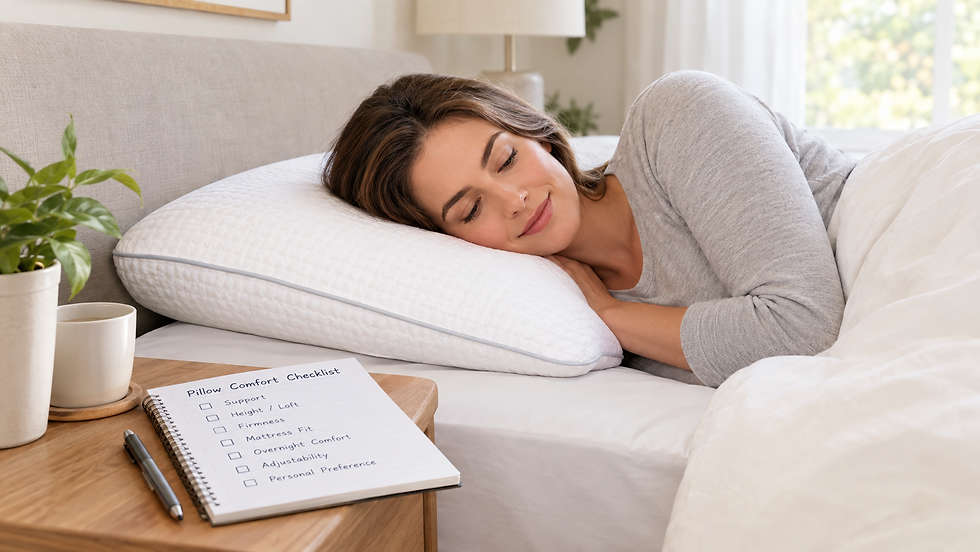
When considering a pillow for neck comfort, look for:
Suitable loft: The height should complement your shoulder width and mattress.
Consistent support: The pillow should not collapse excessively during the night.
Comfortable contouring: The shape should support the head without creating pressure.
Adjustability: Removable or adjustable fill can make it easier to personalize the height.
Breathable materials: Temperature control may improve overall comfort for warm sleepers.
Stable edges: Supportive edges may help prevent the head from sliding off the pillow.
No single feature guarantees comfort. The best combination depends on how your body responds to the pillow over time.
Why Contour and Edge Design Matter
Pillow contouring is often discussed as a technical feature, but its value is practical. A contoured design may provide different levels of support across the pillow, helping accommodate the head, neck, and shoulder area.
Edge design can also influence stability. If the pillow loses its shape near the edges, your head may move toward the mattress during the night. On the other hand, an edge that feels too firm may create pressure rather than comfort.
You can learn more about pillow contour and edge design for side sleepers before deciding which features matter most to you.
Give Your Body Time to Respond
Changing your pillow may require an adjustment period. A new shape, material, or height can feel unfamiliar, particularly if you have used the same pillow for years.
Try to assess the pillow over several nights, provided it does not cause significant discomfort. Notice whether you wake up less often, adjust the pillow less frequently, or feel more comfortable when getting out of bed.
It is also important to remember that sleep is part of physical recovery. Your body needs sufficient rest after daily activity, and an uncomfortable sleep environment may make that process feel less restorative. This article about why recovery time matters during sleep explores that broader connection.
Final Thoughts
A comfortable side-sleeping setup is rarely about one perfect product. It is about finding the right relationship between pillow height, shoulder space, mattress firmness, sleeping posture, and personal preference.
Start by observing how your current pillow behaves throughout the night. Make one adjustment at a time, and avoid choosing a pillow solely because it is labeled “orthopedic,” “ergonomic,” or “extra supportive.”
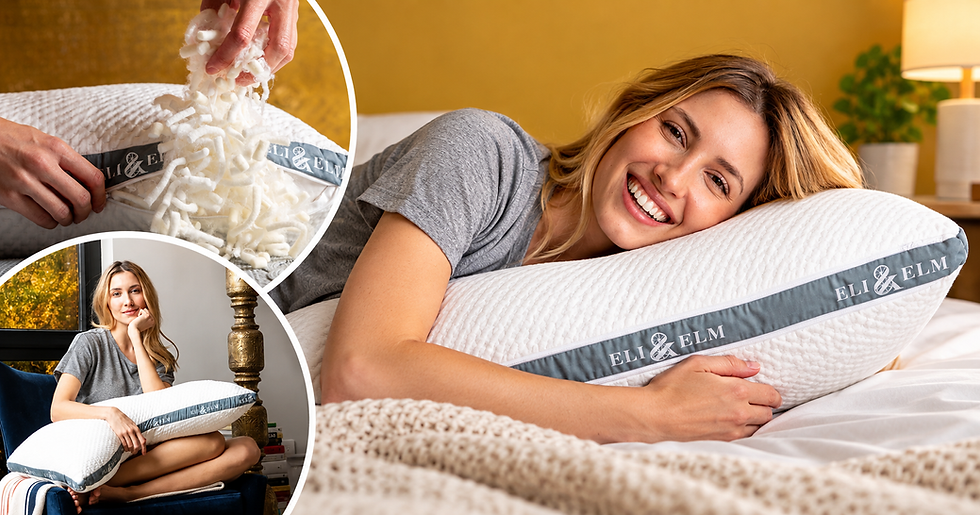
If you are exploring pillow designs created for side sleepers, you can visit Eli & Elm to learn more about available sleep-comfort options. The most suitable choice is ultimately the one that supports your body and fits your individual sleeping needs.
Comments