


Best Everyday Pillows: What to Look for in Daily Comfort
Choosing a pillow for occasional use is different from selecting one that you will use every night. An everyday pillow becomes part of your regular sleep routine, so its comfort, material, shape, and maintenance requirements can influence your experience over time.

Many people search for the softest pillow, the highest-rated product, or the most popular option. However, the best everyday pillows should be selected according to personal sleeping habits, comfort preferences, and practical needs. A pillow that works well for one person may not feel suitable for another.
Understanding the important features can help you make a more informed decision without relying only on promotional claims.
What Makes the Best Everyday Pillows Suitable for Daily Use?
The best everyday pillows should provide a comfortable and consistent experience while fitting naturally into your regular routine. Since a pillow is used repeatedly, its design should be practical as well as comfortable.
Some important features to consider include:
Suitable firmness
Appropriate pillow height
Comfortable material
Consistent shape
Suitable size
Breathability
Easy-care cover
Compatibility with your sleeping position
Reasonable durability
Practical maintenance requirements
These features work together rather than independently. For example, a pillow may use a comfortable material but still feel unsuitable if its height does not match your sleeping position. Similarly, a soft pillow may feel pleasant initially but become less comfortable if it loses its shape quickly.
The goal is to find a balance between comfort, support, construction, and everyday practicality.
Consider Your Sleeping Position Before Choosing a Pillow
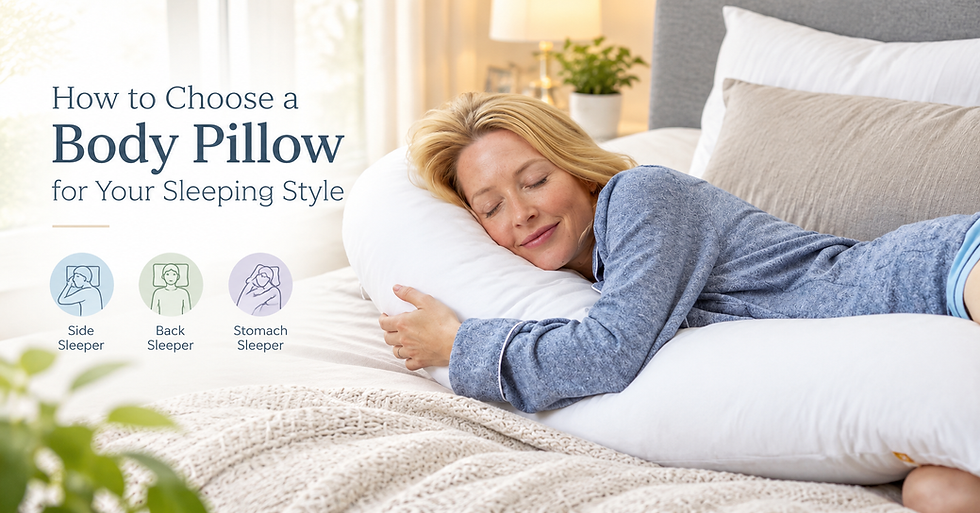
Your sleeping position can influence which pillow feels comfortable. Side sleepers, back sleepers, stomach sleepers, and combination sleepers may have different preferences because their heads, necks, and shoulders interact with the pillow in different ways.
Side sleepers may prefer a pillow with enough structure and height to fill the space between the head and mattress. Back sleepers may prefer a different loft or firmness, while stomach sleepers often consider lower-profile options.
If you frequently change positions during the night, an adaptable or responsive pillow may be worth considering. Instead of choosing a pillow only because it is advertised as suitable for a particular position, think about how you normally sleep and how your current pillow feels when you wake up.
For more information about side-sleeping comfort, you can read this guide on side sleeper pillow, neck, and shoulder comfort . It provides additional information about the relationship between pillow selection and sleeping comfort.
Pillow Material Can Affect Everyday Comfort
Pillow materials influence how a pillow responds to pressure, retains its shape, and feels during regular use. Common pillow materials include memory foam, shredded foam, latex, polyester fiber, down, and down alternatives.

Each material offers a different experience. Fiber-filled pillows may feel soft and flexible, while memory foam is often preferred by people who like a more structured and pressure-responsive surface. Shredded foam may provide an adjustable feel, depending on the design. Latex is commonly associated with responsiveness, while down and down alternatives are often selected for their lighter, softer sensation.
When comparing materials, consider the following questions:
Does the material feel too soft or too firm?
Does it retain its shape after use?
Does it feel warm during the night?
Is it easy to clean and maintain?
Does it suit your sleeping position?
Does it provide a consistent feel?
The material name alone does not explain the complete experience. Construction, density, cover fabric, ventilation, and overall design can also affect comfort.
Firmness and Pillow Height Should Work Together
Firmness is a subjective feature. Some people prefer a soft pillow that compresses easily, while others prefer a firmer surface that feels more stable. The ideal firmness can depend on sleeping position, mattress firmness, shoulder width, and personal preference.
Pillow height is equally important. A pillow that is too low may not feel suitable for some side sleepers, while a pillow that is too high may create an uncomfortable sleeping angle. The correct height can also change depending on how much the shoulder sinks into the mattress.
It is important not to assume that a very firm or high pillow is automatically better. The best everyday pillows should provide a comfortable balance that matches the sleeper’s individual needs.
You can also review this article on how to tell if your side sleeper pillow is right for you . It explains some practical signs that may help you evaluate whether your current pillow suits your sleeping habits.
Shape and Design Can Influence Pillow Performance
Pillow shape and design can affect how the pillow supports the head and interacts with the shoulder area. Traditional rectangular pillows are widely used, but some designs include contoured sections, curved edges, gussets, or specially shaped sides.
A gusseted pillow may offer more consistent height around its edges, while a contoured design may create a different sleeping feel from a flat pillow. These design details should be assessed according to your preferred sleeping position rather than appearance alone.
A pillow may look supportive but still feel unsuitable if its shape does not match your posture. It is useful to consider how the pillow feels when you lie in your normal sleeping position and whether you need to adjust it frequently.
For additional information, explore this article about why pillow contour and edge design matter for side sleepers . The article discusses how design features may influence the experience of side sleepers.
Check Shape Retention and Maintenance Requirements
Because an everyday pillow is used frequently, shape retention is an important consideration. Shape retention refers to how well a pillow maintains its form after pressure is applied and removed.
When evaluating a pillow, look for signs such as:
Flattening after regular use
Uneven filling
Permanent lumps
Loss of height
Frequent reshaping requirements
Unequal compression
Reduced comfort over time
Maintenance requirements should also be reviewed before purchase. Some pillows can be machine-washed, while others require spot cleaning or separate cover washing. Memory foam pillows may have specific care instructions, so the manufacturer’s guidance should be followed carefully.
Using a suitable pillowcase and cleaning the pillow correctly can help preserve its condition. Avoid washing or drying a pillow in a way that is not recommended for its material.
Review Memory Foam Pillow Options Carefully
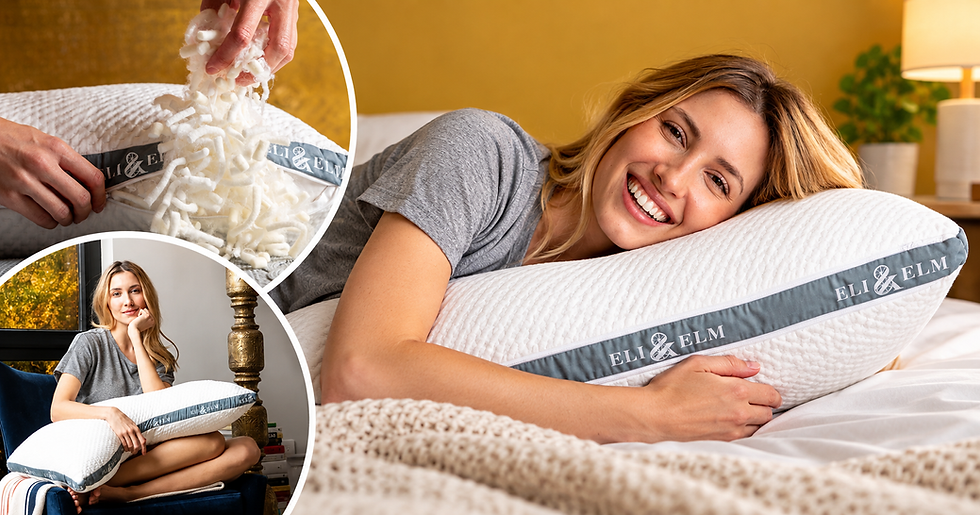
Memory foam is often considered by people who prefer a structured and pressure-responsive material. Depending on the construction, memory foam pillows may be available in solid or shredded forms, and each design can produce a different feel.

Before choosing a memory foam pillow for everyday use, review:
Foam construction
Pillow dimensions
Firmness
Cover material
Ventilation features
Care instructions
Pillow height
Suitability for your sleeping position
Readers interested in exploring a memory foam option can review the Eli & Elm pillow . Product specifications should be compared with individual comfort preferences rather than treated as a universal recommendation.
A Simple Checklist Before Buying
Before purchasing an everyday pillow, ask yourself:
What sleeping position do I normally use?
Do I prefer a soft, medium, or firm feel?
Is the pillow height suitable for my sleeping position?
Does the material maintain a comfortable shape?
Is the material suitable for my temperature preference?
Are the care instructions practical?
Is the pillow size appropriate for my bed?
Is a return or trial policy available?
These questions can help you focus on your actual needs instead of choosing based only on appearance, popularity, or advertising language.
Conclusion
The best everyday pillows are not necessarily the softest, firmest, or most expensive options. They are the pillows that fit your sleeping position, comfort preferences, and daily routine.
When comparing pillows, pay attention to material, firmness, height, shape retention, shoulder space, temperature, and maintenance. A practical evaluation can help you choose a pillow that feels comfortable and remains suitable for regular use over time.

Comments